Picture this: a cramped kitchen, a sizzling pan, and the faint scent of onions dancing in the air while my friend challenges me to “make a dish that will make her forget the last time she burned a steak.” I stared at the 1‑pound pork tenderloin, the gleam of its pink interior promising tenderness, and thought, “This is the moment.” The sizzle that erupted when the medallions hit the hot skillet was music to my ears, a sound that says, “You’re about to create something memorable.” I knew right then that this recipe would not be just another dinner; it would be a triumph of flavor and technique.
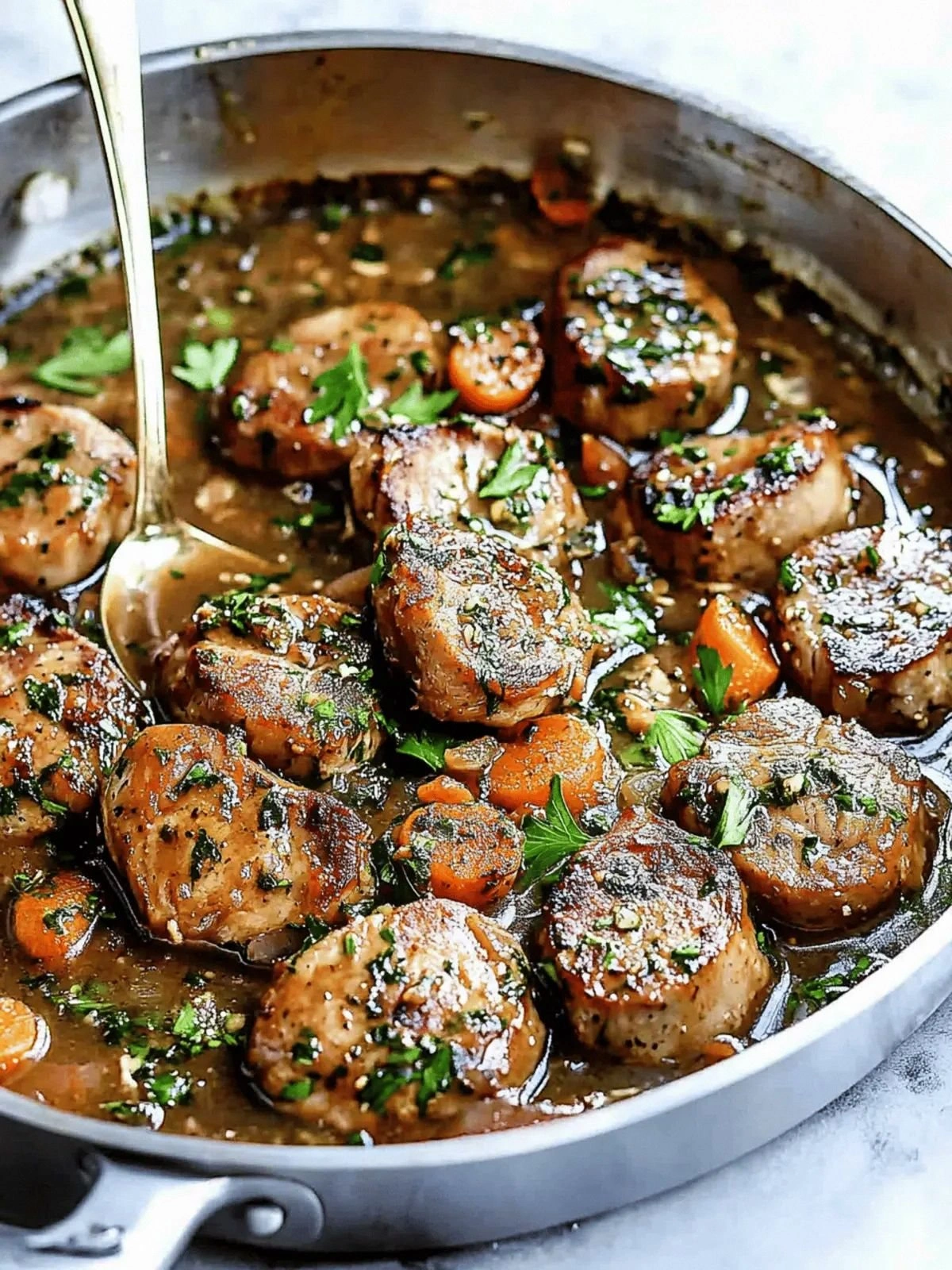
I’ve spent countless nights experimenting with pork, but this version feels like a revelation. The medallions are coated in a light flour crust that turns golden‑brown in seconds, while the mushroom gravy drizzles in silky ribbons that cling to the meat like velvet. The aroma of garlic, shallots, and herbs fills the kitchen, coaxing the senses into a warm, comforting anticipation. When you bite into the tender pork, the juices burst like a burst of summer sunshine, followed by a subtle umami kick from the Worcestershire and soy sauce. The result is a dish that balances richness with bright, savory undertones.
What makes this version stand out is the unexpected twist of a dry rub that incorporates paprika, garlic powder, and a hint of red pepper flakes before the pork even touches the pan. This layer of spices creates a crust that’s both flavorful and crisp, giving the meat a satisfying bite that shatters like thin ice. The use of beef broth and bouillon as the base of the gravy adds depth, while the Dijon mustard brightens the sauce with a gentle tang. I dare you to taste this and not go back for seconds, because once you try it, you’ll never settle for anything less.
And so, I’m going to walk you through every single step. By the end, you’ll wonder how you ever made it any other way. Let’s dive into the details, from the first chop to the final flourish of parsley, and discover why this dish is hands down the best version you’ll ever make at home.
What Makes This Version Stand Out
- Taste: The combination of savory beef broth, tangy Dijon mustard, and the subtle heat from red pepper flakes creates a flavor profile that is both comforting and exciting. The mushrooms add an earthy depth that balances the richness of the pork.
- Texture: The flour‑coated medallions develop a crisp exterior while the interior remains moist and juicy, giving every bite a delightful contrast.
- Ingredient Quality: Using a single pound of fresh pork tenderloin ensures tenderness and a clean, unadulterated flavor that no processed substitute can match.
- Cooking Method: Searing the pork in a hot pan before simmering in the gravy locks in juices, while the slow reduction of the sauce intensifies the taste without compromising texture.
- Make‑Ahead Potential: The dish can be prepared ahead of time; the gravy can be reheated without losing its silky consistency, making it ideal for busy evenings.
- Crowd Reaction: Guests will be amazed by the elegant presentation and the bold flavors that dance on their tongues, making it perfect for dinner parties or casual family meals.
- Uniqueness: The subtle use of soy sauce in a traditionally beef‑based gravy is a surprising twist that elevates the dish to a new level of sophistication.
- Seasonality: While this recipe is year‑round, the hearty mushroom gravy is especially comforting during cooler months.
Inside the Ingredient List
The Flavor Base
Beef broth and a pinch of beef bouillon form the backbone of the gravy. The broth brings a savory depth that elevates the pork, while the bouillon concentrates that flavor without adding excess liquid. If you skip the bouillon, the sauce will taste watery and less complex. Consider using low‑sodium broth to keep the salt level in check, especially if you’re sensitive to sodium. This duo is the secret to a gravy that coats the meat like a silky blanket.
The addition of Worcestershire sauce and soy sauce might seem like a bold choice, but they work together to create a nuanced umami punch. Worcestershire adds a subtle tang and a hint of sweetness, while soy sauce introduces a salty depth that balances the richness of the butter. If you’re avoiding soy, a splash of tamari or a dash of fish sauce can substitute while maintaining the umami profile. These sauces are the unsung heroes that transform a simple pan sauce into a gourmet experience.
The Texture Crew
Mushrooms are more than just a garnish; they add a chewy, earthy texture that pairs beautifully with pork. The cremini variety offers a robust flavor without overpowering the dish. Slice them thinly to ensure they cook quickly and release their moisture, which helps thicken the gravy. If you prefer a smoother sauce, reserve half the mushrooms for the gravy and use the rest for garnish. Their tender bite provides a delightful contrast to the crisp crust of the medallions.
Shallots bring a subtle sweetness that complements the savory elements of the dish. They’re milder than onions and release a gentle aroma when sautéed, which sets the stage for the rest of the flavors. Use one medium shallot, diced finely, so it melts into the sauce without creating lumps. If you’re short on time, a tablespoon of finely minced onion can work as a quick substitute. The key is to let the shallot soften slowly, coaxing out its natural sweetness.
The Unexpected Star
Dijon mustard is the unsung hero that adds brightness to the gravy. It cuts through the richness of the butter and oil, creating a balanced sauce that lingers on the palate. A teaspoon is enough to lift the entire dish, so don’t be afraid to use it generously. If you’re allergic to mustard, a splash of white wine vinegar can provide a similar acidic lift. The mustard’s subtle heat is a quiet but powerful addition that elevates the overall flavor.
The Final Flourish
Herbs like dried parsley, oregano, and thyme finish the dish with a fragrant, herbaceous note that brings everything together. They add a layer of freshness that counters the heaviness of the pork and gravy. Sprinkle them at the end of cooking so their aroma remains vibrant. If you prefer fresh herbs, a handful of chopped parsley, oregano, and thyme will give the dish a bright, green pop. These herbs are the final touch that turns a good meal into an unforgettable one.
Everything’s prepped? Good. Let’s get into the real action and start cooking.
The Method — Step by Step
- Trim the pork tenderloin of any silver skin or excess fat, then slice into 1‑inch thick medallions. Pat them dry with paper towels; moisture is the enemy of a good sear. Season each side generously with salt, pepper, paprika, garlic powder, onion powder, and a pinch of red pepper flakes. Let the seasoned pork rest for 10 minutes; this allows the spices to penetrate the meat.
- In a shallow dish, combine the flour with a splash of water to create a thin slurry. This will coat the pork lightly, giving a crisp exterior without a heavy crust. Dip each medallion in the flour mixture, shaking off any excess, and set aside. The flour will help the meat brown evenly and create a subtle barrier that locks in juices.
- Heat 2 tablespoons of olive oil in a large skillet over medium‑high heat. Add the pork medallions in a single layer, being careful not to overcrowd the pan. Sear each side for 2‑3 minutes until a deep golden brown forms. The sizzling sound is your cue that the Maillard reaction is working its magic.
- Remove the pork from the skillet and set aside on a plate. In the same pan, add the butter, allowing it to melt and mingle with the residual oils. This creates a flavorful base that will carry the aromatics.
- Add the finely diced shallot and minced garlic to the butter. Cook for 1‑2 minutes until the shallot turns translucent and releases its sweet perfume. The garlic should just start to brown, adding a subtle nutty aroma.
- Introduce the sliced mushrooms, stirring frequently. Cook until they release their juices and start to brown, about 5 minutes. The mushrooms should become tender and slightly caramelized, which deepens the gravy’s flavor.
- Pour in the beef broth and stir to deglaze the pan, scraping up any browned bits from the bottom. These bits are packed with flavor and will enrich the sauce. Add the beef bouillon, Worcestershire sauce, soy sauce, and Dijon mustard. Stir until the bouillon dissolves completely.
- Bring the mixture to a gentle simmer and let it reduce by about one‑third, concentrating the flavors. This should take around 7‑8 minutes. The sauce will thicken slightly, forming a silky gravy that will cling to the pork.
- Return the seared pork medallions to the skillet, nestling them into the sauce. Reduce the heat to low, cover, and let the pork cook for an additional 8‑10 minutes, or until it reaches an internal temperature of 145°F. The pork will finish cooking in the sauce, absorbing its savory juices.
- While the pork rests, whisk in the dried parsley, oregano, and thyme into the gravy. This step adds a fresh herbal aroma that brightens the dish. Give the sauce a final stir, ensuring the herbs are evenly distributed.
- Serve the pork medallions hot, spooning the rich mushroom gravy over each piece. Garnish with a sprinkle of fresh herbs if desired. Pair with mashed potatoes, rice, or a simple green salad to balance the richness.
That’s it — you did it. But hold on, I’ve got a few more tricks that’ll take this to another level. Let’s dive into insider tips that will elevate your cooking game.
Insider Tricks for Flawless Results
The Temperature Rule Nobody Follows
Many cooks think a higher sear temperature is always better, but that can dry out the pork. Aim for a medium‑high heat that allows the exterior to caramelize while the interior stays juicy. Use a thermometer to check the internal temperature, and pull the pork off the heat at 145°F. A quick dip in cold water after searing can also help set the crust.
Why Your Nose Knows Best
Before you add the broth, give the pan a sniff. If the aroma is underwhelming, the butter may not have browned enough. The scent of browned butter and sautéed onions is a signal that your sauce will be rich. Trust your nose; it’s a reliable indicator of flavor development.
The 5-Minute Rest That Changes Everything
After removing the pork from the skillet, let it rest on a warm plate for 5 minutes. This allows the juices to redistribute, ensuring every bite is moist. If you cut into the meat immediately, you’ll lose those precious juices. A short rest is a small step that yields a big difference.
The Garlic Clove Trick
Instead of mincing garlic, try lightly crushing it with the flat side of a knife. This releases more flavor and gives the sauce a deeper garlicky profile. If you’re sensitive to raw garlic, roast the cloves before adding them to the pan; the result is a mellow, caramelized flavor.
The Secret of the Flour Slurry
Using a thin flour slurry instead of a dry dusting prevents the coating from becoming heavy. The slurry also helps the sauce adhere to the pork. If you prefer a lighter coating, whisk the flour into a teaspoon of water until smooth, then coat the pork.
Creative Twists and Variations
This recipe is a playground. Here are some of my favorite ways to switch things up:
Maple‑Glazed Medallions
Swap the soy sauce for a splash of pure maple syrup and reduce the salt. The sweet glaze pairs beautifully with the savory pork, creating a caramelized finish. Add a pinch of smoked paprika to keep the dish grounded.
Spicy Cajun Boost
Add a tablespoon of Cajun seasoning to the flour slurry for a smoky, spicy kick. Incorporate a dash of hot sauce into the gravy for an extra punch. Serve with a side of cornbread to balance the heat.
Herb‑Infused Creamy Sauce
Finish the gravy with a splash of heavy cream and a handful of fresh basil. The cream adds richness while the basil offers a bright, aromatic contrast. This version is perfect for a cozy dinner.
Mediterranean Twist
Replace the Worcestershire sauce with a teaspoon of fish sauce and add a handful of sun‑dried tomatoes. The tangy fish sauce and sweet tomatoes bring a Mediterranean vibe to the dish. Serve over couscous for a complete meal.
Mushroom‑Rich Risotto Side
Serve the pork with a creamy mushroom risotto. The creamy risotto complements the savory gravy and adds an extra layer of umami. The combination is both comforting and elegant.
Asian‑Inspired Noodle Bowl
Slice the pork thinly and toss it with soba noodles, sliced scallions, and a drizzle of sesame oil. Top with the mushroom gravy for a fusion dish that’s both familiar and fresh. It’s a quick weeknight dinner with a twist.
Storing and Bringing It Back to Life
Fridge Storage
Cool the dish completely, then transfer the pork and gravy to an airtight container. Store in the refrigerator for up to 3 days. When ready to serve, reheat on the stove over low heat, stirring occasionally.
Freezer Friendly
Separate the pork and gravy into freezer‑safe containers. Freeze for up to 2 months. Thaw overnight in the refrigerator before reheating. The texture remains intact, and the flavors meld beautifully.
Best Reheating Method
Reheat the pork and gravy together on the stove over low heat, adding a splash of water or broth to keep the sauce from thickening too much. Stir frequently until heated through. The tiny splash of liquid steams the dish back to its original silky consistency.