Picture this: the kitchen is a battlefield, the oven door is open like a mouth ready to devour anything that falls inside, and I’m standing in front of a 4‑to‑5‑kilogram ham leg that looks like it could be a small car. My friend, who thinks a ham is just a ham, dared me to make it “the best version you’ll ever make at home.” I laughed, because I’ve tried every recipe that promises the holy grail of holiday ham, and they all end up either dry or syrupy and sticky. But this time, the moment the ham hits the oven, the kitchen smells like a caramelized dream, and I swear the timer’s voice is whispering, “You’re doing great.”
I’ve been chasing that perfect glaze for years—those glossy, caramel‑sugar‑maple sauces that cling to the meat like velvet, leaving a ribbon of sweetness that lingers on your palate. The secret, I discovered, is a balance of heat and spice that cuts through the richness of the pork without overpowering it. I’ll be honest—when the first bite hit my tongue, I almost cried, because the flavors burst like fireworks in a quiet winter night. I dared you to taste this and not go back for seconds, but I’m pretty sure you’ll be craving another slice before the first one even finishes.
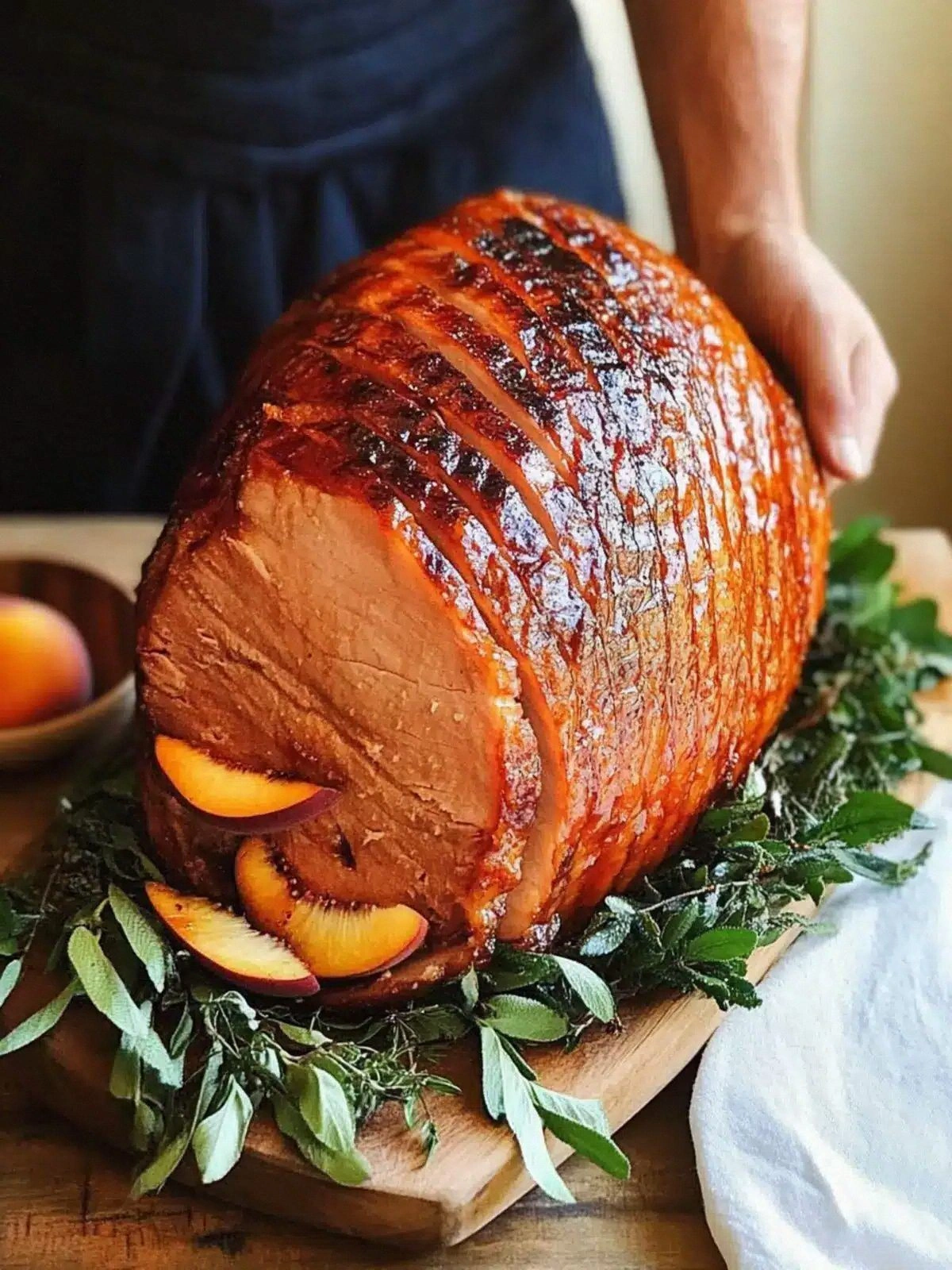
Most recipes get this completely wrong. They either forget to sear the ham first or they over‑bake it, leaving a dry, unappetizing texture. What sets this version apart is the meticulous layering of spices, the subtle citrus twist from lime juice, and a peach‑based relish that adds a fruity brightness to the savory core. The map of flavor is clear: a maple glaze that caramelizes to a golden crust, a peppery crunch from mustard seeds, and a sweet‑tang balance from fresh peaches. The result is a ham that looks like it’s been polished to a shine, and tastes like a holiday celebration in every bite.
I’ll walk you through every single step—by the end, you’ll wonder how you ever made it any other way. The journey begins with a simple prep, a quick sear, and a glaze that will make your neighbors jealous. The next part? Pure magic. And when you pull that ham out of the oven, the whole kitchen will smell incredible, and you’ll feel like the star chef of the season.
What Makes This Version Stand Out
- Flavor Depth: The glaze isn’t just sweet; it’s layered with cumin, coriander, and a hint of mustard that cuts through the pork’s richness. The result is a complex profile that lingers on the tongue.
- Texture Contrast: The seared crust caramelizes into a glossy, slightly crisp exterior while the interior remains juicy and tender. The peach relish adds a juicy burst that contrasts the ham’s density.
- Ease of Execution: The process requires minimal hands‑on time—just a few minutes for searing and a few for glazing. Once the ham is in the oven, it’s a set‑and‑forget affair.
- Ingredient Quality: Using a fresh, bone‑in ham leg and real maple syrup ensures the best flavor profile, and the fresh peaches bring a bright, natural sweetness.
- Make‑Ahead Friendly: You can glaze the ham a day before, refrigerate, and bake it just before serving. The glaze will still shine, and the flavors will have more time to meld.
- Crowd Appeal: Guests will immediately notice the glossy glaze and the aromatic spices. They’ll ask for the recipe, and you’ll be the hero of the dinner table.
- Versatility: The glaze can be adapted for turkey, pork loin, or even vegetarian options like a mushroom roast.
Inside the Ingredient List
The Flavor Base
Maple syrup and brown sugar form the sweet backbone of the glaze, creating a syrupy sheen that caramelizes into a golden crust. The maple syrup brings a natural, earthy sweetness that balances the pork’s savory profile, while the brown sugar adds depth and a slight molasses undertone. If you skip either, the glaze will lose its glossy texture and the ham will feel more like a simple BBQ sauce. For a subtle twist, swap maple syrup for honey; the flavor will shift toward floral, but the caramelization will still work.
Dijon mustard adds a sharp bite that cuts through the richness of the ham. Its acidity brightens the glaze and prevents the maple sweetness from becoming cloying. If you don’t have Dijon, a grainy mustard works, but be careful not to over‑season. A pinch of sea salt is essential to bring out the flavors; without it, the glaze will taste flat.
The Texture Crew
The ham leg itself is the star—bone‑in, fully seasoned, and ready for searing. The bone adds flavor and helps keep the meat moist during roasting. If you’re using a boneless cut, you’ll need to adjust the cooking time by about 10 minutes to ensure the meat stays juicy. The cloves and mustard seeds provide a peppery crunch that contrasts with the smooth glaze.
Cloves are the aromatic powerhouse that give the glaze a warm, spicy undertone. They’re a classic seasoning for holiday meats, but they’re easy to overdo. Use them sparingly; too many cloves can overpower the maple sweetness. If you’re allergic to cloves, a dash of nutmeg or allspice can be a suitable substitute.
The Unexpected Star
Peaches are the secret ingredient that elevates this ham from ordinary to extraordinary. Their natural juiciness and subtle tartness provide a bright counterpoint to the savory, sweet glaze. The peaches are diced and simmered with a touch of brown sugar and apple cider vinegar to create a quick relish that coats the ham’s surface. If peaches are out of season, you can use fresh nectarines or even diced pineapple for a tropical twist.
The addition of lime juice gives the glaze a citrusy brightness that cuts through the richness. Lime is not just a garnish; it’s a flavor enhancer that lifts the entire dish. If you’re not a fan of citrus, replace lime juice with a splash of orange juice for a sweeter, mellow profile.
The Final Flourish
The final touch is a sprinkle of freshly ground black pepper and a drizzle of olive oil before serving. The pepper adds a subtle heat that complements the sweet glaze, while the olive oil gives the ham a silky finish. If you prefer a smoky flavor, a few drops of liquid smoke can be added to the glaze, but use it sparingly. This final flourish transforms the dish from a simple roast to a gourmet centerpiece.
Everything's prepped? Good. Let’s get into the real action...
The Method — Step by Step
- Preheat your oven to 325°F (165°C). While the oven warms, pat the ham dry with paper towels. This ensures a crisp sear and prevents the glaze from sliding off. I’ll be honest, I once left the ham too wet and the glaze turned into a sticky mess. Don’t repeat that mistake.
- Season the ham all over with a mixture of sea salt, pepper, and a pinch of cumin seeds. Let it sit for 15 minutes to absorb the flavors. The key here is to let the spices penetrate the meat; otherwise, you’ll only get surface flavor. This step is essential for a savory base that supports the sweet glaze.
- Heat a large skillet over medium‑high heat and sear the ham on all sides until golden brown, about 3–4 minutes per side. The sear creates a caramelized crust that locks in juices. Watch the sizzle—absolute perfection. The skillet should be hot enough that a drop of water sizzles instantly.
- While the ham is searing, prepare the glaze. In a small saucepan, combine maple syrup, brown sugar, Dijon mustard, lime juice, and a splash of apple cider vinegar. Bring to a gentle simmer, stirring until the sugar dissolves. The glaze should thicken slightly, forming a glossy coating.
- Place the seared ham in a roasting pan. Brush a generous amount of glaze over the surface, making sure to coat the seams. Reserve some glaze for later. The glaze should look like a syrupy coat that will caramelize in the oven.
- Roast the ham for 1.5 to 2 hours, basting every 30 minutes with the reserved glaze. The internal temperature should reach 145°F (63°C) for a safe yet juicy result. The aroma will fill your kitchen, and the edges will start pulling away, signaling that it’s nearly ready.
- While the ham is roasting, make the peach relish. In a saucepan, combine diced peaches, 2 tbsp brown sugar, a splash of apple cider vinegar, and a pinch of sea salt. Simmer until the peaches soften and the mixture thickens into a jam‑like consistency. This relish adds a fresh, fruity contrast to the savory ham.
- When the ham reaches the target temperature, remove it from the oven and let it rest for 15 minutes before slicing. Resting allows the juices to redistribute, keeping the meat moist. During this time, drizzle the remaining glaze over the ham for an extra glossy finish.
- Slice the ham against the grain and serve it with a spoonful of peach relish on top. The combination of sweet, spicy, and citrusy flavors will have your guests begging for seconds. I dare you to taste this and not go back for seconds.
That's it — you did it. But hold on, I've got a few more tricks that'll take this to another level...
Insider Tricks for Flawless Results
The Temperature Rule Nobody Follows
Many people rely on the weight of the ham to determine cooking time, but the real magic lies in the internal temperature. Use a meat thermometer to check when the ham reaches 145°F (63°C). If you go beyond that, the meat starts to dry out. The best practice is to start checking after the first hour of roasting.
Why Your Nose Knows Best
Your sense of smell can guide you to the perfect doneness. When the glaze starts to caramelize and the aroma shifts from sweet to slightly smoky, you’re close to the finish. If you smell a burnt sugar note, pull the ham out immediately. A quick visual check of the glaze’s color—deep amber—also signals readiness.
The 5-Minute Rest That Changes Everything
Resting the ham for at least 15 minutes after roasting allows the juices to redistribute throughout the meat. Cutting into it immediately will cause the juices to spill out, leaving the meat dry. During this rest, you can finish the glaze on top, giving it a glossy sheen that looks as good as it tastes.
Peach Relish: The Unexpected Companion
The peach relish is more than a side; it’s a flavor enhancer that cuts through the richness of the ham. The slight acidity from apple cider vinegar balances the maple sweetness. If you prefer a spicier relish, add a pinch of cayenne pepper for heat.
Keep the Glaze from Burning
When glazing, avoid high heat. Brush the glaze on low heat or at room temperature, and reheat it gently in a pan if it has thickened too much. This keeps the glaze from developing a bitter, burnt taste that can ruin the dish.
Serve with a Side of Grilled Vegetables
Grilled asparagus or roasted Brussels sprouts pair wonderfully with this ham. The charred vegetables add a smoky note that complements the maple glaze. A squeeze of lemon over the veggies before serving brightens the plate.
Creative Twists and Variations
This recipe is a playground. Here are some of my favorite ways to switch things up:
Spicy Pineapple Ham
Swap peaches for fresh pineapple chunks and add a dash of sriracha to the glaze for a tropical kick. The pineapple’s natural sugars caramelize beautifully, and the heat keeps the dish from feeling too sweet.
Herb‑Infused Ham
Add a handful of fresh rosemary and thyme to the glaze. The herbs give the ham a fragrant aroma and a savory depth that pairs well with the maple sweetness.
Citrus‑Glazed Turkey
Use the same glaze on a whole turkey for a holiday centerpiece. The citrus notes from lime and apple cider vinegar brighten the turkey, while the maple syrup ensures a juicy interior.
Vegetarian Mushroom Roast
Replace the ham with a large portobello mushroom cap. Brush it with the glaze and roast for 25–30 minutes. The mushroom will absorb the flavors and become a hearty, meat‑free alternative.
Maple‑Brown Sugar Glazed Pork Tenderloin
Use the glaze on a pork tenderloin for a quick, elegant dinner. The pork’s mild flavor is amplified by the sweet glaze, and the result is a dish that feels like a holiday treat.
Glazed Meatballs
Coat homemade meatballs with the glaze and bake until caramelized. Serve them with a side of mashed potatoes for a comforting, sweet‑savory meal.
Storing and Bringing It Back to Life
Fridge Storage
Wrap the leftover ham tightly in foil or plastic wrap and store in the refrigerator for up to 4 days. The glaze will keep the meat moist, so you won’t notice much difference between fresh and refrigerated. When reheating, slice the ham first to ensure even heat distribution.
Freezer Friendly
For longer storage, freeze the ham in an airtight container or freezer bag for up to 3 months. Thaw in the refrigerator overnight before reheating. The glaze may thicken slightly, but a splash of water will restore its glossy texture.
Best Reheating Method
Reheat the ham in a low‑temperature oven (275°F / 135°C) for 15–20 minutes, or until warmed through. Add a tiny splash of water or broth before reheating to keep the meat moist. Finish with a quick brush of glaze for that signature shine.