I was halfway through a midnight snack raid, eyes half‑closed, when the kitchen exploded in a chorus of sizzling and caramelizing. The shrimp I had tossed into a pan with a splash of oil had turned into a glossy, amber‑gold spectacle, the sugar and fish sauce bubbling like a miniature fireworks show. I stared at that caramelized coating, thinking, “This is the kind of dish that deserves a spotlight.” I was right. The next few hours turned into a culinary experiment, tweaking the caramel, balancing the pork belly, and discovering that a dash of Vietnamese caramel, or Nước màu, could turn ordinary shrimp into a showstopper. And that’s exactly why I’m writing this post: because I found a version of Vietnamese Caramelized Shrimp that’s hands down the best you’ll ever make at home, and I want to share every single detail.
Picture yourself pulling this out of the pan, the whole kitchen smelling incredible—sweet caramel, smoky pork, and a faint citrus tang from the fish sauce. The shrimp’s shells crackle like tiny fireworks when they hit the heat, and the pork belly sizzles, releasing a buttery aroma that makes you forget you’re even cooking. The sound of the sauce thickening is a low, satisfying hiss, like a secret that’s just about to be revealed. When you taste it, the first bite is a burst of caramelized sweetness, followed by a subtle umami kick that lingers on the palate, leaving you craving a second plate. I dare you to taste this and not go back for seconds.
The beauty of this dish lies in its simplicity and the harmony of flavors. It’s not about complicated techniques or exotic ingredients; it’s about the perfect marriage of caramel, pork, and shrimp, all brought together by a few humble pantry staples. I’ve spent hours experimenting, and the result is a dish that’s easy to master yet impossible to forget. And that’s why I’m so excited to walk you through every single step—by the end, you’ll wonder how you ever made it any other way.
What Makes This Version Stand Out
- Flavor Depth: The caramel glaze, enriched with Vietnamese caramel, adds a complex sweetness that cuts through the richness of pork belly.
- Texture Contrast: The shrimp’s tender flesh contrasts with the crispy, buttery edges of pork belly, creating a delightful bite.
- Quick Prep: The entire process takes less than an hour, making it ideal for busy weeknights.
- Balanced Sweetness: Sugar is paired with fish sauce and Nước màu, preventing the dish from becoming cloyingly sweet.
- Ingredient Flexibility: You can swap pork belly for bacon or use a different type of shrimp without compromising the dish.
- Make‑Ahead Potential: The caramel sauce can be prepared ahead of time and reheated, making it perfect for meal prep.
- Visual Appeal: The glossy glaze gives the dish a restaurant‑level shine that impresses even the most discerning diners.
- Authentic Touch: The use of Vietnamese caramel (Nước màu) gives an unmistakable depth that sets this recipe apart from other caramelized shrimp dishes.
Alright, let's break down exactly what goes into this masterpiece…
Inside the Ingredient List
The Flavor Base
Nước màu, the Vietnamese caramel, is the cornerstone of this dish. It’s made by simmering sugar until it turns amber, then adding a splash of water to control the consistency. The result is a sweet, slightly bitter glaze that coats the shrimp and pork like a velvet blanket. Without it, the dish would feel flat and lack the signature glossy finish that makes it Instagram‑worthy.
Fish sauce is the umami engine that pulls everything together. A tablespoon of this salty liquid balances the sweetness of the caramel and adds a depth that would otherwise be missing. If you’re in a pinch, a splash of soy sauce can substitute, but the flavor profile will shift slightly toward a sweeter, less complex finish.
Garlic is the aromatic backbone. Three cloves, minced, release a fragrant steam that lingers in the air and infuses the pork and shrimp with a warm, comforting aroma. Skip garlic, and you’ll lose that comforting, almost medicinal scent that makes this dish feel like home.
The Texture Crew
Pork belly, a fatty cut that melts in your mouth, is the star of the texture game. A kilogram of pork belly, sliced into thin strips, provides a buttery, crispy edge when seared. If you can’t find pork belly, high‑fat bacon is a worthy stand‑in, offering a similar melt‑and‑crisp experience.
Shrimp, the lean protein, provides a juicy burst of flavor. A 250‑gram batch is enough for four servings, giving each plate a generous portion of succulent shrimp that’s perfectly balanced by the pork. Shrimp should be peeled and deveined; the shells add a subtle crunch when they crack during cooking.
The Unexpected Star
The chicken bouillon powder is a secret weapon that enhances the overall savory profile. It adds a subtle depth that’s almost invisible but makes a noticeable difference in the final taste. If you’re vegan or allergic to chicken, a pinch of vegetable bouillon will do the trick, though the flavor will be slightly different.
The Final Flourish
Sugar, the sweet component, is crucial for achieving the caramelized glaze. Three tablespoons are enough to give the dish that glossy shine without overpowering the savory elements. The water, a quarter cup, helps control the caramel’s viscosity, ensuring it coats the shrimp and pork evenly.
Everything's prepped? Good. Let's get into the real action…
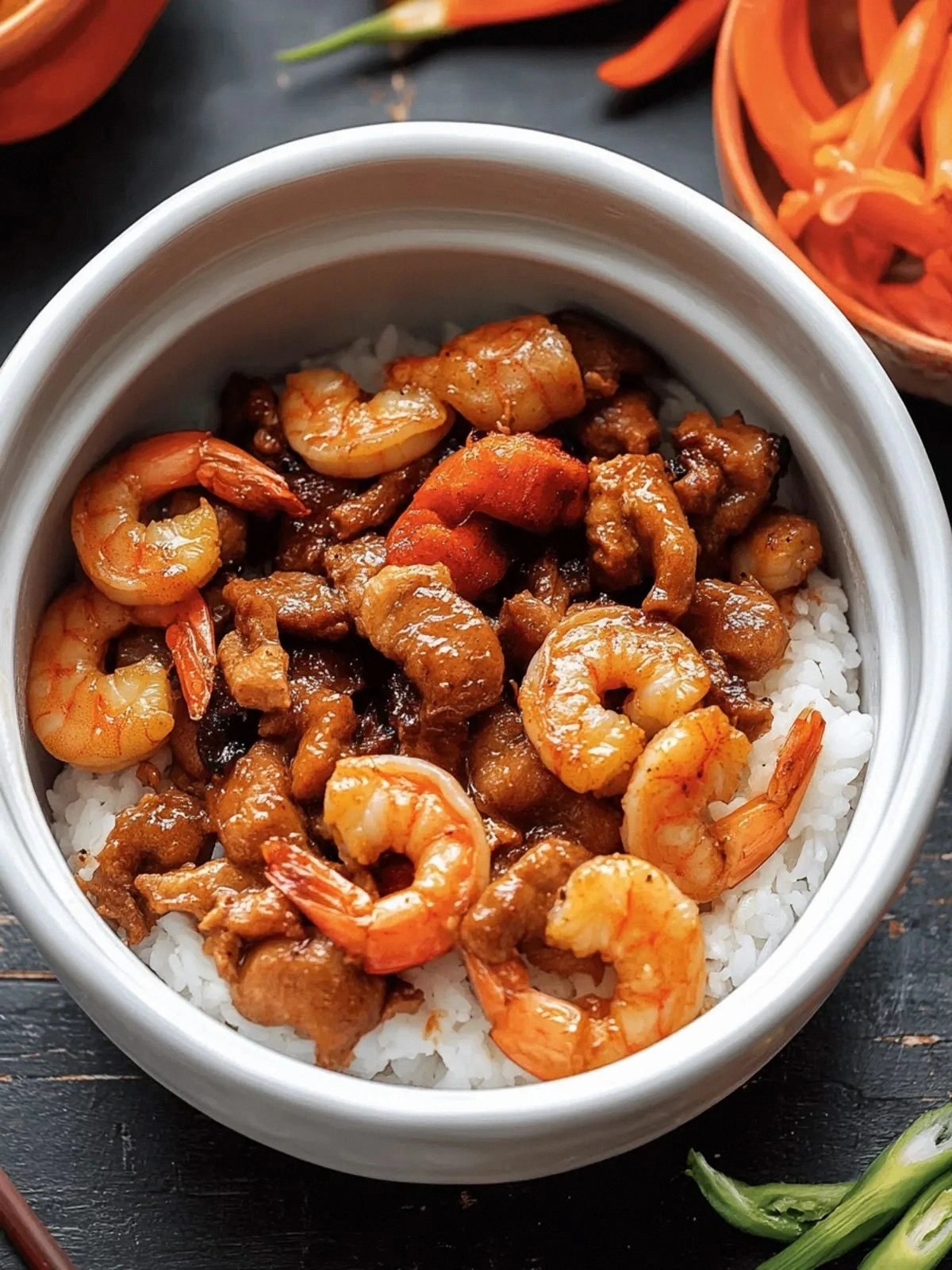
The Method — Step by Step
- Prepare the Caramel: In a small saucepan, combine the sugar and water over medium heat. Stir until the sugar dissolves, then let it simmer without stirring until it turns a deep amber color. Once it reaches the right hue, remove from heat and stir in the Vietnamese caramel (Nước màu). Let it cool slightly; this will be the glaze that coats everything.
- Season the Pork: Pat the pork belly strips dry with paper towels. Sprinkle both sides with salt and the chicken bouillon powder, then toss to coat evenly. This seasoning step ensures the pork absorbs the savory depth early on.
- Sear the Pork: Heat two tablespoons of oil in a large skillet over medium‑high heat. Add the pork belly strips in a single layer, letting them sizzle. Cook for about 3 minutes on each side until golden and crispy. Remove from the pan and set aside; the pork will finish cooking with the shrimp.
- Cook the Shrimp: In the same skillet, add the minced garlic and sauté until fragrant, about 30 seconds. Add the shrimp, shell side down, and let them cook for 2 minutes before flipping. The shrimp should be pink and opaque; avoid overcooking to keep them juicy.
- Add Fish Sauce: Pour the fish sauce over the shrimp and stir to combine. The sauce will caramelize slightly, adding a savory kick. This is the moment of truth—watch the shrimp as they turn a deeper pink.
- Introduce the Caramel: Reduce heat to medium and pour the caramel glaze over the shrimp and pork. Stir gently to coat everything evenly. The glaze should thicken, creating a glossy coat that clings to the shrimp and pork. If the glaze thickens too much, add a splash of water to loosen it.
- Reintroduce Pork: Return the pork belly strips to the skillet, pressing them into the caramel so they’re fully coated. Let everything cook together for another 2 minutes, allowing the flavors to meld.
- Final Touch: Sprinkle a pinch of freshly ground pepper over the dish for a subtle heat. Give it one last stir, then remove from heat. The dish should have a glossy sheen, with the shrimp’s shells crackling slightly from the caramel.
- Serve Immediately: Plate the shrimp and pork over steamed jasmine rice or a bed of sautéed greens. Garnish with chopped scallions and a squeeze of lime if desired. The dish is best enjoyed hot, right after it’s made, when the caramel is still silky and the pork is at its crispest.
That's it — you did it. But hold on, I've got a few more tricks that'll take this to another level…
Insider Tricks for Flawless Results
The Temperature Rule Nobody Follows
Many cooks over‑cook the pork belly, resulting in a greasy mess. The trick is to cook it at medium‑high heat for just a few minutes on each side, then finish it in the caramel glaze at lower heat. This method keeps the pork tender inside while giving it a crisp, buttery exterior.
Why Your Nose Knows Best
The aroma of caramelizing sugar is a cue that the glaze is ready. If you smell a nutty, toasty scent, the caramel is at its peak. If it starts to burn, the sugar will taste bitter and ruin the dish. Trust your nose to avoid that dreaded burnt caramel.
The 5-Minute Rest That Changes Everything
After cooking, let the dish rest for five minutes off the heat. This pause allows the flavors to settle and the caramel to thicken into a silky glaze that coats every bite. Skipping this step can leave the sauce thin and watery.
The Garlic Trick
Sauté garlic for less than a minute to avoid a bitter taste. The quick stir keeps the garlic bright and aromatic without turning it into burnt black powder.
The Shrimp Size Matters
Smaller shrimp cook faster and absorb the caramel more evenly. If you’re using larger shrimp, reduce the cooking time by a minute or two to prevent them from drying out.
The Final Flourish
A squeeze of lime at the end adds a bright acidity that cuts through the richness. It’s a simple addition that elevates the dish from good to unforgettable.
Creative Twists and Variations
This recipe is a playground. Here are some of my favorite ways to switch things up:
Spicy Sriracha Swirl
Stir a tablespoon of Sriracha into the caramel glaze for a fiery kick that balances the sweetness. The heat will dance on the palate, making it a crowd‑pleaser for spice lovers.
Miso‑Infused Glaze
Replace half the fish sauce with white miso paste. The miso adds a nutty umami depth, turning the dish into a fusion of East Asian flavors.
Citrus Burst
Add a tablespoon of orange juice to the caramel for a subtle citrus sweetness. The bright note lifts the dish, making it ideal for spring or summer menus.
Pineapple Twist
Incorporate diced pineapple into the sauce. The fruit’s natural sugars caramelize beautifully, adding a tropical flair that pairs wonderfully with pork belly.
Vegetarian Version
Swap the shrimp for firm tofu cubes and use vegetable bouillon powder. The tofu will absorb the caramel glaze, delivering a similar mouthfeel and flavor profile.
Storing and Bringing It Back to Life
Fridge Storage
Cool the dish completely, then transfer to an airtight container. Store in the refrigerator for up to 3 days. The caramel will thicken slightly, so add a splash of water or a drizzle of oil before reheating to restore its silky texture.
Freezer Friendly
Place the cooled dish in a freezer‑safe bag, removing as much air as possible. Freeze for up to 2 months. Thaw overnight in the refrigerator before reheating.
Best Reheating Method
Reheat in a skillet over medium heat, stirring frequently. Add a tablespoon of water or broth to loosen the glaze. Heat until the dish is steaming hot and the caramel coats the shrimp and pork again.