
Coconut Cream Pie
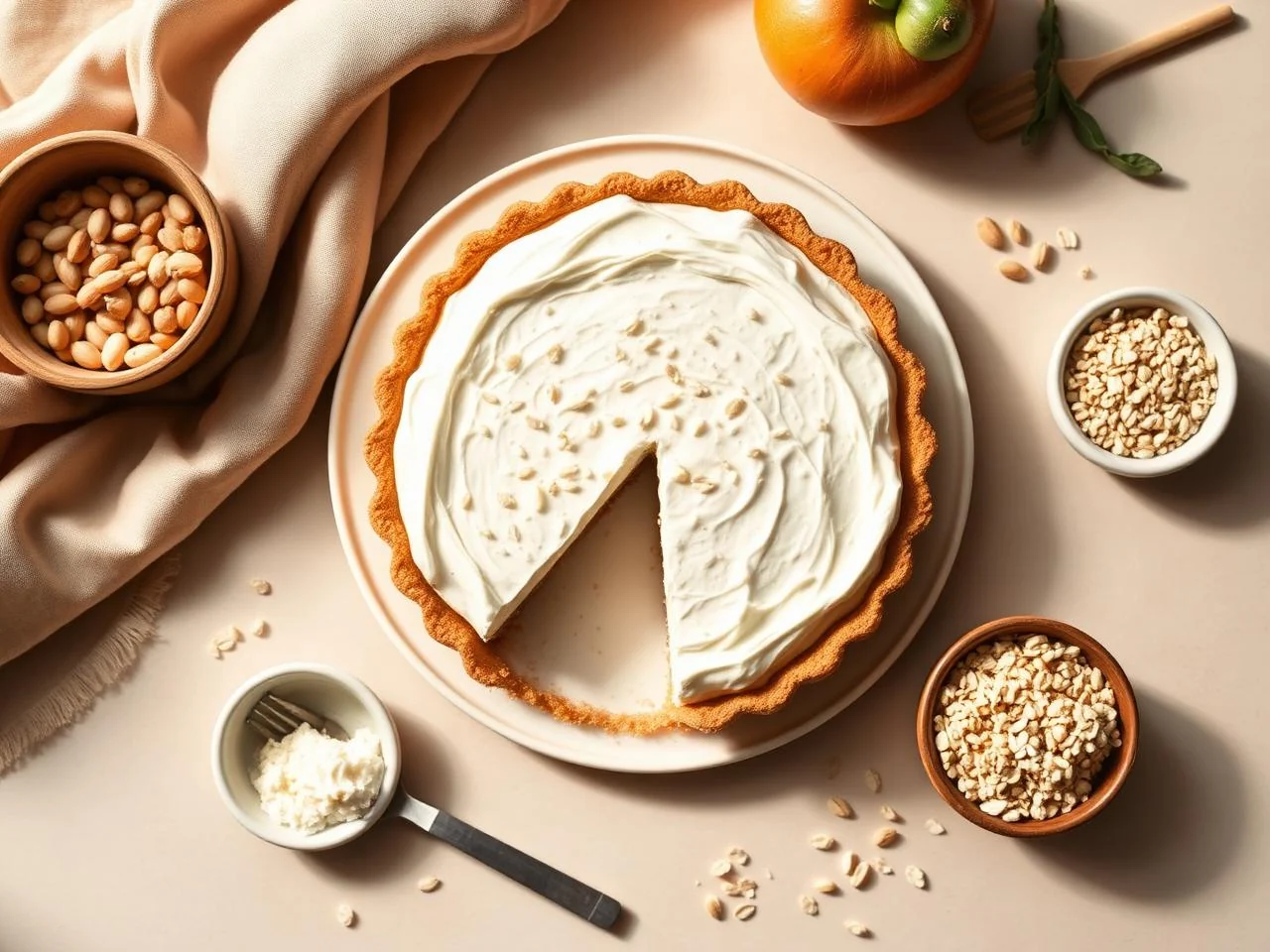
There's something special about a homemade coconut cream pie that just can't be replicated with store-bought alternatives. The combination of a flaky, buttery crust, a creamy coconut filling, and the crunch of toasted coconut flakes on top is a match made in heaven. As someone who's passionate about gluten-free cooking and baking, I've always been on the lookout for recipes that are not only delicious but also safe for those with dietary restrictions.
My journey with coconut cream pie began when I first started experimenting with gluten-free baking. I was determined to create a recipe that would be just as good as its traditional counterpart, and after months of trial and error, I finally landed on the perfect combination of ingredients and techniques. The result is a pie that's not only gluten-free but also incredibly flavorful and textured.
What I love most about this recipe is its versatility. It's perfect for special occasions like birthdays and holidays, but it's also a great dessert to serve at gatherings and potlucks. The best part? It's surprisingly easy to make, and with a few simple substitutions, you can customize it to suit your taste preferences.
So, if you're looking for a show-stopping dessert that's sure to impress your friends and family, look no further than this coconut cream pie recipe. With its creamy filling, flaky crust, and toasted coconut flakes, it's the perfect treat for anyone with a sweet tooth.
In this recipe, we'll walk through the steps to create this stunning dessert, from making the crust to whipping up the coconut cream filling. We'll also cover some essential tips and tricks for ensuring your pie turns out perfectly, including the importance of using high-quality ingredients and not overmixing the batter.
Why You’ll Love This Recipe
- This coconut cream pie recipe is easy to make and requires minimal special equipment
- The pie is perfect for special occasions and gatherings, and can be customized with different flavors and toppings
- The gluten-free crust is tender and flaky, and the coconut cream filling is rich and creamy
- The recipe is versatile and can be made ahead of time, making it perfect for busy schedules
- The pie is a great way to impress friends and family with a show-stopping dessert
- The recipe is suitable for those with dietary restrictions, including gluten-free and dairy-free options
Why This Recipe Works
The key to a great coconut cream pie is in the balance of flavors and textures. The crust, made with a combination of rice flour, tapioca starch, and xanthan gum, provides a sturdy base for the filling while also being tender and flaky. The coconut cream filling, on the other hand, is made with a combination of coconut milk, sugar, and eggs, which gives it a rich and creamy texture.
One of the most important techniques in this recipe is the use of a water bath to bake the pie. This helps to prevent the crust from burning and ensures that the filling is cooked evenly throughout. We'll also be using a technique called 'tempering' to combine the coconut cream with the egg yolks, which helps to prevent the eggs from scrambling and gives the filling a smooth and creamy texture.
Another important aspect of this recipe is the use of toasted coconut flakes to add texture and flavor to the pie. By toasting the coconut flakes in a dry pan, we can bring out their natural sweetness and add a nice crunch to the top of the pie.
Overall, the combination of these techniques and ingredients is what makes this coconut cream pie recipe truly special. With its perfect balance of flavors and textures, it's sure to be a hit with anyone who tries it.
Ingredients You’ll Need
To make this coconut cream pie, you'll need a combination of ingredients that are easily found in most grocery stores. The key players in this recipe are the coconut milk, sugar, eggs, and rice flour, which provide the structure and flavor for the pie. You'll also need some xanthan gum to help with texture and some unsalted butter to add richness to the crust.
When shopping for ingredients, be sure to choose high-quality options that are fresh and have not expired. This will ensure that your pie turns out with the best flavor and texture possible. You can also customize the recipe with different flavorings and toppings to suit your taste preferences.
- 1 1/2 cups rice flourRice flour provides structure and texture to the crust, and is a great option for gluten-free baking. Be sure to choose a high-quality rice flour that is fresh and has not expired.
- 1/4 cup tapioca starchTapioca starch helps to add texture and structure to the crust, and is a common ingredient in gluten-free baking. It can be found in most health food stores or online.
- 1/4 cup granulated sugarGranulated sugar adds sweetness and flavor to the crust, and helps to balance out the savory flavors of the coconut milk and eggs. You can also use other types of sugar, such as brown sugar or coconut sugar, for a different flavor.
- 1/2 teaspoon xanthan gumXanthan gum helps to improve the texture and structure of the crust, and is a common ingredient in gluten-free baking. It can be found in most health food stores or online.
- 1/2 teaspoon saltSalt enhances the flavors of the other ingredients and helps to balance out the sweetness of the sugar. You can use other types of salt, such as sea salt or kosher salt, for a different flavor.
- 1/2 cup unsalted butter, meltedUnsalted butter adds richness and flavor to the crust, and helps to keep it tender and flaky. You can also use other types of fat, such as coconut oil or vegetable oil, for a different flavor.
- 3 large eggsEggs provide structure and richness to the filling, and help to balance out the flavors of the coconut milk and sugar. You can use other types of eggs, such as duck eggs or quail eggs, for a different flavor.
- 1 can full-fat coconut milkFull-fat coconut milk provides the creaminess and flavor to the filling, and is a key ingredient in this recipe. You can also use other types of coconut milk, such as low-fat or non-dairy, for a different flavor.
- 1 teaspoon vanilla extractVanilla extract adds flavor and aroma to the filling, and helps to balance out the sweetness of the sugar. You can use other types of extract, such as almond or coconut, for a different flavor.
- 1 cup toasted coconut flakesToasted coconut flakes add texture and flavor to the top of the pie, and provide a nice contrast to the creamy filling. You can toast the coconut flakes in a dry pan or in the oven for a different flavor.
Equipment You’ll Need
How to Make Coconut Cream Pie
- 1Preheat the oven to 375°F (190°C) and prepare the water bath container by filling it with hot water to a depth of about 1 inch.
- 2In a large mixing bowl, combine the rice flour, tapioca starch, granulated sugar, xanthan gum, and salt. Whisk until well combined and there are no lumps.
- 3Add the melted unsalted butter to the dry ingredients and mix until the mixture forms a crumbly dough. Be careful not to overmix the dough, as this can cause it to become tough and dense.
- 4Press the dough into the prepared pie dish, making sure to evenly distribute it and press it into the corners. Use a fork to prick the bottom of the crust and prevent it from bubbling up during baking.
- 5Bake the crust in the preheated oven for 20-25 minutes, or until it is lightly golden brown and set. Use an instant-read thermometer to check the internal temperature of the crust, which should be around 200°F (90°C).
- 6While the crust is baking, prepare the filling by whisking together the eggs, coconut milk, and vanilla extract in a large bowl. Be careful not to overbeat the eggs, as this can cause them to become too airy and separate.
- 7Once the crust is ready, remove it from the oven and let it cool for a few minutes. Then, pour the filling into the crust and smooth the top with a spatula.
- 8Place the pie in the water bath container and bake for an additional 25-30 minutes, or until the filling is set and the internal temperature reaches 170°F (77°C). Use an instant-read thermometer to check the internal temperature of the filling.
- 9Remove the pie from the oven and let it cool to room temperature. Then, refrigerate it for at least 2 hours to allow the filling to set and the flavors to meld.
- 10Just before serving, toast the coconut flakes in a dry pan over medium heat, stirring constantly, until they are lightly golden brown and fragrant. Sprinkle the toasted coconut flakes over the top of the pie and serve.
- 11To ensure the pie is fully set and the filling is not too runny, check the internal temperature of the filling and make sure it reaches 170°F (77°C). You can also check the texture of the filling by inserting a knife or toothpick into the center of the pie. If it comes out clean, the pie is ready to serve.
Expert Tips
- To ensure the crust is flaky and tender, be sure to keep the butter cold and handle the dough gently.
- Don't overmix the dough, as this can cause it to become tough and dense.
- Use high-quality ingredients, such as fresh eggs and real coconut milk, to ensure the best flavor and texture.
- Don't overbake the crust, as this can cause it to become too dark and brittle.
- Let the pie cool to room temperature before refrigerating it, as this will help prevent the filling from cracking.
- Toast the coconut flakes just before serving, as this will help preserve their flavor and texture.
- Use an instant-read thermometer to check the internal temperature of the filling and ensure it reaches 170°F (77°C).
- Don't overbeat the eggs, as this can cause them to become too airy and separate.
Common Mistakes to Avoid
- Overmixing the dough, which can cause it to become tough and dense.
- Not using high-quality ingredients, which can affect the flavor and texture of the pie.
- Overbaking the crust, which can cause it to become too dark and brittle.
- Not letting the pie cool to room temperature before refrigerating it, which can cause the filling to crack.
- Not toasting the coconut flakes just before serving, which can cause them to lose their flavor and texture.
- Not using an instant-read thermometer to check the internal temperature of the filling, which can cause it to be undercooked or overcooked.
Variations and Substitutions
- Using different types of milk, such as almond or soy milk, to create a non-dairy version of the pie.
- Adding different flavorings, such as vanilla or almond extract, to the filling to create a unique taste.
- Using different types of sugar, such as brown sugar or coconut sugar, to create a different flavor profile.
- Adding toasted nuts or seeds, such as almonds or chia seeds, to the filling for added texture and flavor.
- Using a different type of crust, such as a nut-based crust, to create a gluten-free and grain-free version of the pie.
- Creating a chocolate version of the pie by adding cocoa powder or melted chocolate to the filling.
- Making individual mini pies using a muffin tin and a reduced baking time.
What to Serve With Coconut Cream Pie
This coconut cream pie is perfect for serving at special occasions and gatherings, such as birthdays and holidays. It's also a great dessert to serve at potlucks and parties, as it's easy to transport and can be served in individual slices.
The pie is best served chilled, so be sure to refrigerate it for at least 2 hours before serving. You can also top it with whipped cream or toasted coconut flakes for added flavor and texture.
Make-Ahead, Storage, Freezing and Reheating
This coconut cream pie can be stored in the refrigerator for up to 3 days, or frozen for up to 2 months. To freeze the pie, simply wrap it tightly in plastic wrap or aluminum foil and place it in a freezer-safe bag.
To thaw the pie, simply remove it from the freezer and let it thaw in the refrigerator overnight. Once thawed, the pie can be served chilled or at room temperature.
It's also important to note that the pie can be made ahead of time and refrigerated or frozen until serving. This makes it a great option for busy schedules, as you can prepare the pie in advance and then serve it when needed.
When storing the pie, be sure to keep it away from strong-smelling foods, as the coconut cream filling can absorb odors easily. You can also store the pie in an airtight container to keep it fresh and prevent it from drying out.
Frequently Asked Questions
What type of coconut milk should I use for this recipe?
You should use full-fat coconut milk for this recipe, as it provides the best flavor and texture. You can find full-fat coconut milk in most grocery stores, usually in the international or baking aisle.
Can I use a different type of milk instead of coconut milk?
Yes, you can use other types of milk, such as almond or soy milk, but keep in mind that it may affect the flavor and texture of the pie. Full-fat coconut milk is recommended for the best results.
How do I toast coconut flakes?
To toast coconut flakes, simply heat them in a dry pan over medium heat, stirring constantly, until they are lightly golden brown and fragrant. You can also toast them in the oven at 350°F (180°C) for 5-7 minutes, stirring occasionally.
Can I make this pie ahead of time?
Yes, you can make this pie ahead of time and refrigerate or freeze it until serving. Simply prepare the crust and filling, assemble the pie, and then refrigerate or freeze it until needed.
How do I prevent the crust from becoming too dark or brittle?
To prevent the crust from becoming too dark or brittle, be sure to not overbake it. Check the crust frequently during baking, and remove it from the oven when it is lightly golden brown and set.
Can I use a different type of sugar instead of granulated sugar?
Yes, you can use other types of sugar, such as brown sugar or coconut sugar, but keep in mind that it may affect the flavor and texture of the pie. Granulated sugar is recommended for the best results.
How do I ensure the filling is set and not too runny?
To ensure the filling is set and not too runny, be sure to check the internal temperature of the filling, which should reach 170°F (77°C). You can also check the texture of the filling by inserting a knife or toothpick into the center of the pie. If it comes out clean, the pie is ready to serve.
Can I make individual mini pies using this recipe?
Yes, you can make individual mini pies using this recipe. Simply prepare the crust and filling, assemble the mini pies, and then bake them in a muffin tin at 375°F (190°C) for 15-20 minutes, or until the crust is lightly golden brown and the filling is set.
Ingredients
- 1 1/2 cups rice flour
- 1/4 cup tapioca starch
- 1/4 cup granulated sugar
- 1/2 teaspoon xanthan gum
- 1/2 teaspoon salt
- 1/2 cup unsalted butter, melted
- 3 large eggs
- 1 can full-fat coconut milk
- 1 teaspoon vanilla extract
- 1 cup toasted coconut flakes
Instructions
- Preheat the oven to 375°F (190°C) and prepare the water bath container by filling it with hot water to a depth of about 1 inch.
- In a large mixing bowl, combine the rice flour, tapioca starch, granulated sugar, xanthan gum, and salt. Whisk until well combined and there are no lumps.
- Add the melted unsalted butter to the dry ingredients and mix until the mixture forms a crumbly dough. Be careful not to overmix the dough, as this can cause it to become tough and dense.
- Press the dough into the prepared pie dish, making sure to evenly distribute it and press it into the corners. Use a fork to prick the bottom of the crust and prevent it from bubbling up during baking.
- Bake the crust in the preheated oven for 20-25 minutes, or until it is lightly golden brown and set. Use an instant-read thermometer to check the internal temperature of the crust, which should be around 200°F (90°C).
- While the crust is baking, prepare the filling by whisking together the eggs, coconut milk, and vanilla extract in a large bowl. Be careful not to overbeat the eggs, as this can cause them to become too airy and separate.
- Once the crust is ready, remove it from the oven and let it cool for a few minutes. Then, pour the filling into the crust and smooth the top with a spatula.
- Place the pie in the water bath container and bake for an additional 25-30 minutes, or until the filling is set and the internal temperature reaches 170°F (77°C). Use an instant-read thermometer to check the internal temperature of the filling.
- Remove the pie from the oven and let it cool to room temperature. Then, refrigerate it for at least 2 hours to allow the filling to set and the flavors to meld.
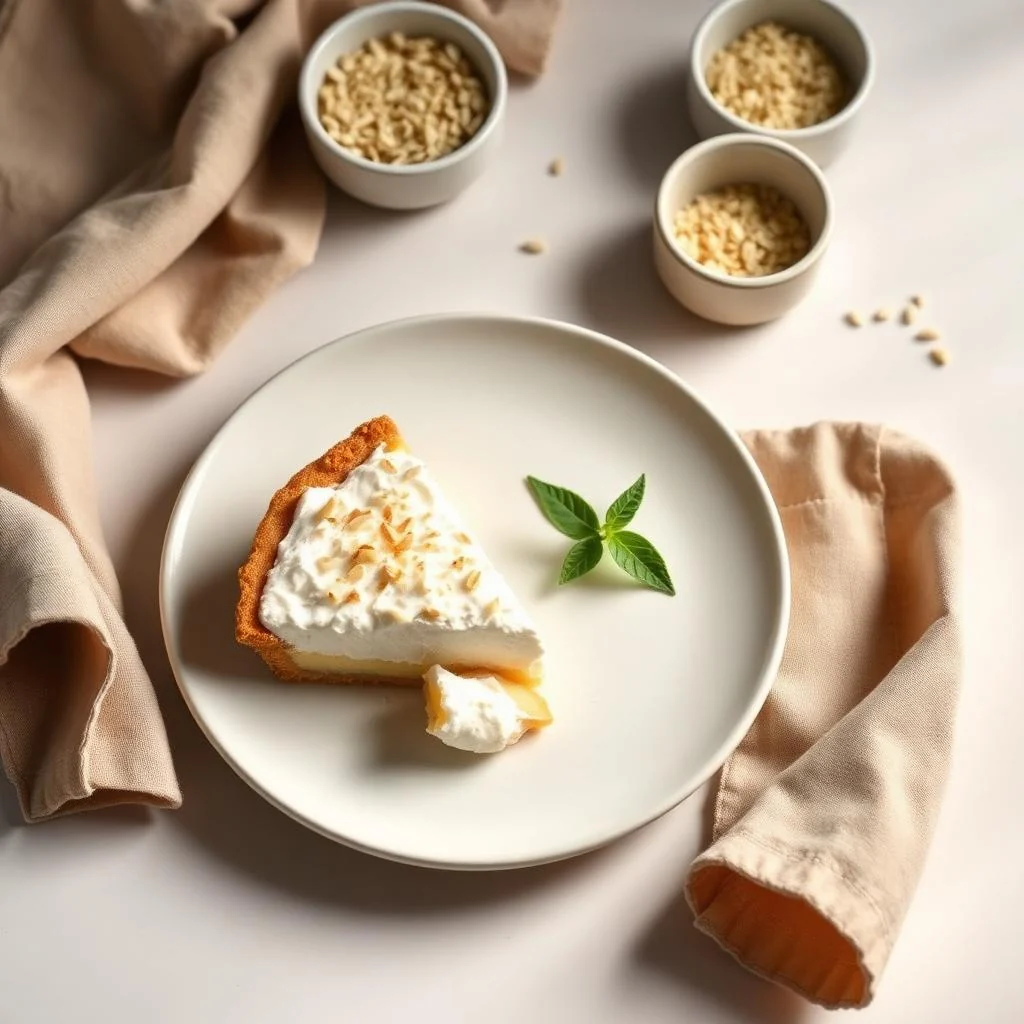
- Just before serving, toast the coconut flakes in a dry pan over medium heat, stirring constantly, until they are lightly golden brown and fragrant. Sprinkle the toasted coconut flakes over the top of the pie and serve.
- To ensure the pie is fully set and the filling is not too runny, check the internal temperature of the filling and make sure it reaches 170°F (77°C). You can also check the texture of the filling by inserting a knife or toothpick into the center of the pie. If it comes out clean, the pie is ready to serve.