I was standing in my kitchen on a rainy Tuesday, staring at a half‑finished batch of store‑bought cinnamon rolls that had somehow turned into a soggy mess. I swear the oven timer went off, I opened the door, and a wave of disappointment hit me harder than the cold wind outside. That moment sparked a dare: “Make a cinnamon‑apple bread that can beat any bakery, any day, any season.” I grabbed a bag of crisp apples, a stick of butter, and a jar of cinnamon, and the quest for the ultimate swirl began. I’m not saying I was a culinary genius, but the kitchen was my laboratory and the dough was my experiment.
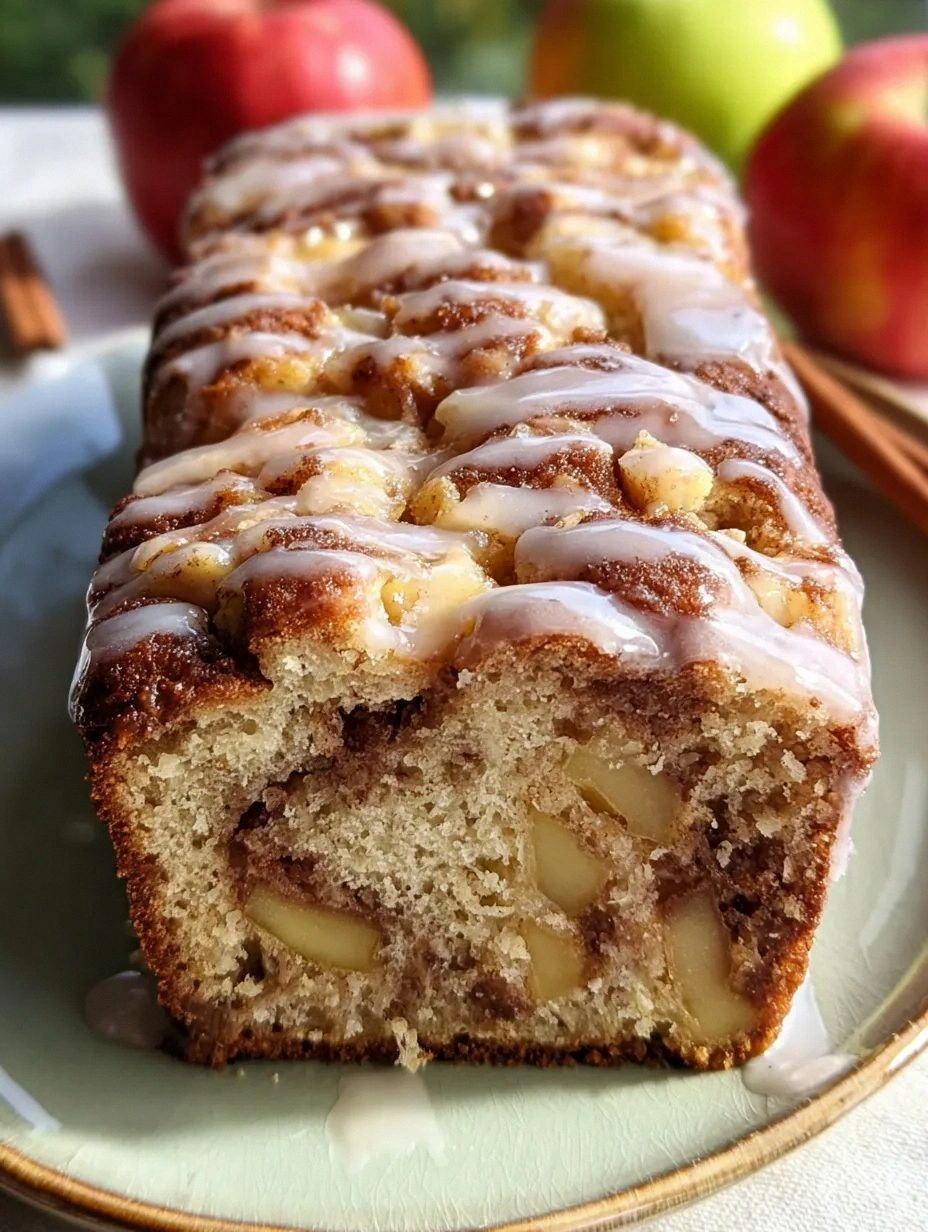
Picture this: the kitchen filled with the sweet perfume of caramelized apples, the warm hug of cinnamon, and the faint crackle of butter melting into the batter. The oven’s glow turned the countertop into a stage, and the batter swirled like a lazy river of amber gold. My hands were sticky, my spatula was covered in a glossy ribbon of dough, and the timer ticked down like a heartbeat. When I finally pulled the loaf out, the crust crackled like fresh leaves underfoot, and the interior was a tender, buttery cloud studded with apple chunks that glistened like tiny jewels.
What makes this version truly stand out is the secret technique I discovered while watching a French patisserie video: a quick “fritter” step that fries the apple‑cinnamon mixture just enough to lock in flavor before it meets the batter. Most recipes skip this, resulting in soggy pockets or bland swirls. By giving the apples a brief, buttery sauté, you get a caramelized edge that sings with every bite. And the dough? It’s a hybrid between a quick‑bread and a brioche, giving you the rise of a cake with the chew of a classic coffee‑bread.
I’ll be honest — I ate half the batch before anyone else got a chance to try it, and I’m still not over the fact that I could taste the fall sunrise in each slice. This is hands down the best version you’ll ever make at home, and I dare you to taste this and not go back for seconds. Let me walk you through every single step — by the end, you’ll wonder how you ever made it any other way.
What Makes This Version Stand Out
- Flavor Depth: The quick‑fried apple‑cinnamon swirl creates caramel notes that ordinary mixes can’t achieve, giving each bite a layered sweetness that lingers.
- Texture Harmony: A soft, pillowy crumb meets a slightly crisp crust, while the apple pieces stay juicy without making the loaf soggy.
- Simplicity: Only a handful of pantry staples are needed, and the technique is straightforward enough for a novice yet satisfying for a seasoned baker.
- Unique Twist: The “fritter” step is the game‑changer that turns a regular bread into a caramel‑kissed masterpiece.
- Crowd Reaction: Friends have called it “the ultimate comfort food” and have begged for the recipe after just one bite.
- Ingredient Quality: Using crisp, tart apples and real butter rather than margarine makes the flavor pop like fireworks.
- Cooking Method: Baking in a loaf pan ensures even heat distribution, while the initial stovetop swirl locks in moisture.
- Make‑Ahead Potential: This bread freezes beautifully, so you can prep a batch now and enjoy it all month long.
Inside the Ingredient List
The Flavor Base
All‑purpose flour forms the backbone of the loaf, providing structure while still allowing the crumb to stay tender. If you substitute half with whole‑wheat flour, you’ll get a nuttier flavor, but the texture becomes denser. I recommend sifting the flour twice to aerate it; this simple step prevents clumps and gives the bread a lighter lift. Pro tip: Look for flour that’s labeled “unbleached” for a richer, more natural taste.
Granulated sugar sweetens the batter without overwhelming the apple’s natural tartness. You can swap half of it for brown sugar for a deeper molasses note, but keep in mind that brown sugar adds extra moisture, which can affect the crumb’s dryness. The sugar also helps the crust turn a gorgeous golden brown during baking.
The Texture Crew
Unsalted butter, melted and cooled, is the secret to that melt‑in‑your‑mouth crumb. Butter coats the gluten strands, preventing them from forming a tough network, which is why the bread stays soft even after cooling. If you’re dairy‑free, coconut oil works as a substitute, but the flavor profile will shift toward tropical notes.
Whole milk adds richness and moisture, helping the dough rise evenly. For a lighter version, you can use almond milk, but remember that nut milks are thinner, so you might need to add an extra tablespoon of flour to keep the batter from spreading too much.
The Unexpected Star
The apples are the hero of this dish. I use a mix of Granny Smith for tartness and Honeycrisp for sweetness, giving each bite a balanced zing. Peel and dice the apples into ¼‑inch cubes; if the pieces are too large, they won’t integrate into the swirl and will create pockets of sogginess. A quick toss with a pinch of lemon juice prevents browning while adding a subtle brightness.
Cinnamon: The spice that defines the whole recipe. I use Ceylon cinnamon for its delicate, sweet flavor, but Cassia works if you prefer a bolder punch. Pair it with a whisper of ground nutmeg for warmth that lingers on the palate.
The Final Flourish
Eggs act as a binder and add lift, creating that airy crumb we all crave. For a vegan version, replace each egg with a “flax egg” (1 tbsp ground flaxseed + 3 tbsp water). Vanilla extract adds a subtle aromatic backdrop that balances the spice, while a pinch of salt amplifies every other flavor, preventing the sweetness from becoming cloying.
The swirl mixture—brown sugar, butter, and extra cinnamon—gets caramelized on the stovetop. This creates a glossy ribbon that weaves through the loaf, ensuring every slice has a perfect swirl of sweet, buttery goodness.
Everything's prepped? Good. Let's get into the real action...
The Method — Step by Step
Preheat your oven to 350°F (175°C) and grease a 9×5‑inch loaf pan with a thin layer of butter. The moment the oven clicks on, you’ll hear that comforting hum that signals good things are about to happen. Place a parchment circle at the bottom of the pan for an easy release later. Power transition: Okay, ready for the game‑changer?
In a medium saucepan, melt 3 tablespoons of butter over medium heat. Add the diced apples, 2 tablespoons of brown sugar, 1½ teaspoons of cinnamon, and a pinch of nutmeg. Stir continuously; after about 3‑4 minutes you’ll notice the mixture bubbling and the apples turning a deep amber. That sizzle when it hits the pan? Absolute perfection.
Kitchen Hack: Add a splash of apple cider vinegar now; it lifts the fruit’s flavor and keeps the swirl from getting gummy.While the apples are caramelizing, whisk together 2 cups of flour, 1 ½ teaspoons of baking powder, ½ teaspoon of baking soda, and 1 tsp salt in a large bowl. The dry ingredients should look like a fine, snow‑like powder. Watch Out: Over‑mixing the dry blend can cause the baking soda to lose its leavening power, so keep it gentle.
In a separate bowl, combine ½ cup melted butter, ¾ cup milk, 2 large eggs, 1 tsp vanilla extract, and ½ cup granulated sugar. Beat until the mixture is smooth and slightly frothy. This is the moment of truth: the batter should look glossy, not clumpy. If it looks too thick, add a splash of milk; if too runny, sprinkle in a tablespoon of flour.
Gradually add the dry ingredients to the wet mixture, folding with a spatula until just combined. The batter will be thick—this is intentional. Over‑stirring would develop gluten and make the loaf tough. Once incorporated, gently fold in the caramelized apple mixture, reserving a tablespoon of the buttery swirl for the top.
Transfer half of the batter into the prepared loaf pan, smoothing the surface with the back of a spoon. Drop spoonfuls of the remaining buttery cinnamon swirl on top, then use a knife to create a marble effect.
Watch Out: If the swirl pools at the bottom, the loaf will be soggy; gently swirl it into the batter instead of letting it sit.Place the remaining batter on top, creating a second layer, and repeat the swirl technique. This double‑layer ensures every slice gets a perfect ribbon of cinnamon‑apple goodness. Sprinkle the reserved swirl on the very top for a glossy finish that catches the oven’s heat.
Bake for 30‑35 minutes, or until a toothpick inserted into the center comes out clean and the top is a deep, caramel‑brown. Around the 20‑minute mark, rotate the pan 180 degrees for even browning. The aroma should fill your kitchen like a warm blanket—if you can smell the caramelized apples, you’re on the right track.
Allow the loaf to cool in the pan for 10 minutes, then transfer to a wire rack. This short rest lets the interior set, preventing the crumb from collapsing when you slice. While it cools, you’ll notice a faint steam rising—this is the moisture redistributing, guaranteeing a moist slice later.
Once completely cooled, slice with a serrated knife. The first cut should reveal a perfect swirl, the crust should crack gently, and the crumb should be tender enough to pull apart with a fork. Serve warm with a pat of butter, or let it sit at room temperature for a firmer bite. This next part? Pure magic. Enjoy, and remember: the leftovers are even better the next day.
That's it — you did it. But hold on, I've got a few more tricks that'll take this to another level...
Insider Tricks for Flawless Results
The Temperature Rule Nobody Follows
Never bake a quick‑bread in a super‑hot oven. Starting at 350°F gives the batter time to set before the crust forms, preventing a gummy interior. If you crave a darker crust, crank the heat up to 375°F for the last 5 minutes; just keep a close eye on it, or you’ll end up with a burnt top.
Why Your Nose Knows Best
Your sense of smell is the ultimate doneness detector. When the bread is about 5 minutes from being done, you’ll catch a sweet, buttery scent wafting from the oven. If you still smell raw batter, give it another 2‑3 minutes. Trust your nose more than the timer.
The 5‑Minute Rest That Changes Everything
After removing the loaf from the oven, let it rest in the pan for exactly five minutes before turning it out. This brief pause lets the steam redistribute, making the crumb moist and preventing it from cracking. Skipping this step is the reason many home bakers end up with dry, crumbly slices.
Butter Brush Boost
Brush the top of the loaf with melted butter as soon as it comes out of the oven. This creates a glossy finish and adds a subtle richness that makes the crust sing. I like to add a pinch of sea salt on the buttered surface for a sweet‑salty contrast.
The Freeze‑Ahead Strategy
If you want to prep ahead, bake the loaf fully, let it cool, then slice and freeze the pieces individually on a parchment sheet. Transfer the frozen slices to a zip‑top bag, and you’ve got a ready‑to‑heat snack for any morning. When reheating, add a splash of milk to the microwave to revive that fresh‑baked softness.
Creative Twists and Variations
This recipe is a playground. Here are some of my favorite ways to switch things up:
Maple‑Pecan Swirl
Swap the brown sugar in the swirl for pure maple syrup and toss in a handful of toasted pecans. The result is a nutty, caramel‑rich loaf that feels like a Thanksgiving side dish any time of year.
Cranberry‑Orange Burst
Add ¼ cup dried cranberries and a teaspoon of orange zest to the apple mixture. The tart cranberries balance the sweetness, while the orange zest adds a bright citrus pop that cuts through the richness.
Chocolate‑Hazelnut Dream
Stir ¼ cup mini chocolate chips into the batter and replace half the butter in the swirl with hazelnut spread. This creates a decadent, dessert‑like version that’s perfect for an after‑dinner treat.
Spiced Pumpkin Variation
Replace half the apples with canned pumpkin puree and add a pinch of pumpkin pie spice to the batter. The loaf becomes a moist, autumnal wonder that pairs beautifully with a dollop of whipped cream.
Savory Cheddar‑Apple Fusion
Mix in ½ cup shredded sharp cheddar and a dash of rosemary into the batter, and reduce the sugar slightly. This savory twist makes the loaf an excellent companion to soups or a hearty breakfast alongside eggs.
Storing and Bringing It Back to Life
Fridge Storage
Wrap the cooled loaf tightly in plastic wrap or store in an airtight container. It will stay fresh for up to five days. The butter in the dough acts as a natural preservative, but keeping it sealed prevents the crust from drying out.
Freezer Friendly
Slice the loaf before freezing; this way you can pull out just one or two pieces at a time. Place the slices on a parchment sheet, flash freeze for 30 minutes, then transfer to a freezer bag. The bread retains its flavor for up to three months.
Best Reheating Method
When you’re ready to eat, preheat a skillet over low heat, add a tiny splash of water, and cover the slice with a lid for 2‑3 minutes. The steam revives the crumb, while the skillet gives the crust a gentle crisp. Alternatively, a quick 10‑second blast in the microwave works, but you’ll lose that lovely crust.